
Anúncios
In today’s dynamic job market, creative careers are experiencing a significant surge, and one role that is particularly gaining momentum is the Job Designer. This article delves into the rapidly growing demand for job designers, why this profession is flourishing in Europe, and how individuals can carve out a career in this exciting and innovative field.
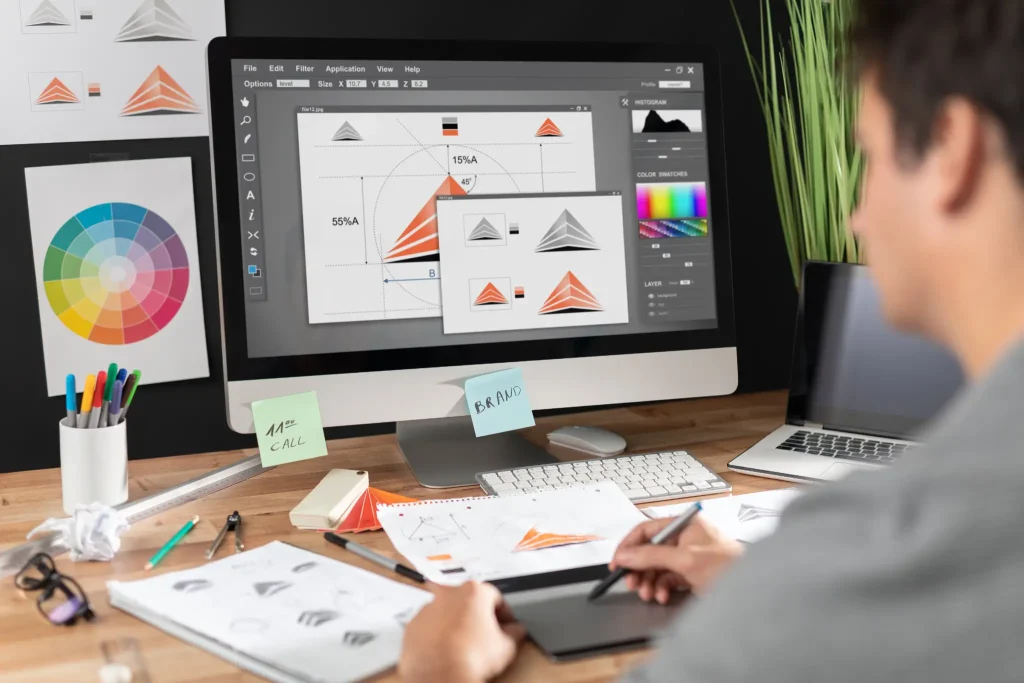
What is a Job Designer?
A Job Designer is a professional who specializes in creating and developing job roles that are not only tailored to an organization’s needs but also align with the evolving demands of the workforce. These designers focus on shaping job responsibilities, structures, and environments that foster productivity, creativity, and job satisfaction.
Unlike traditional HR roles, which are often focused on hiring or managing employees, job designers work more strategically to design positions that enhance both organizational performance and individual growth. This involves a deep understanding of various industries, organizational cultures, and the skill sets needed in a rapidly changing job market.
The Role of a Job Designer in Today’s Workforce
With businesses increasingly focusing on optimizing their workforce and adapting to new technologies, job designers are becoming essential in crafting positions that respond to these changes. They analyze company goals, worker preferences, and emerging technologies to build job descriptions and structures that not only attract the best talent but also ensure long-term job satisfaction and retention.
The Demand for Job Designers in Europe
The European market has witnessed an exponential rise in demand for job designers, especially in countries like Germany, the UK, and France. As businesses continue to prioritize employee experience, organizational efficiency, and creative problem-solving, they are increasingly turning to job designers to help them achieve these objectives.
According to a report by the European Commission, nearly 30% of companies in the EU are seeking to redefine their internal job structures to better suit the digital age. This shift is particularly noticeable in industries like technology, marketing, human resources, and design.
Moreover, the pandemic accelerated the need for job designers, as companies rapidly transitioned to remote or hybrid work environments. This forced a reevaluation of job roles to fit new ways of working. Job designers became crucial in this process, ensuring that roles were adaptable and sustainable.
Key Factors Driving the Job Designer Boom in Europe
Several factors contribute to the surge in demand for job designers across Europe:
- Technological Advancements: With the rise of AI, automation, and data analytics, traditional roles are evolving. Job designers ensure that positions align with the growing influence of technology in the workplace.
- The Rise of the Gig Economy: The growing trend of freelance and contract work demands flexible job structures that job designers can provide.
- Focus on Employee Wellbeing: Companies are placing a higher emphasis on work-life balance, mental health, and overall employee satisfaction. Job designers are essential in crafting roles that cater to these needs.
- The Need for Adaptability: In an era of constant change, job roles need to be adaptable. Job designers build positions that evolve with organizational and market shifts, ensuring that the workforce remains agile.
Skills Required to Become a Successful Job Designer
The role of a job designer requires a unique blend of skills, including:
1. Strong Understanding of Organizational Needs
Job designers must thoroughly understand a company’s goals, culture, and future aspirations. This knowledge allows them to create roles that not only fit into the existing framework but also promote growth and adaptability.
2. Creativity and Innovation
Job design is, at its core, a creative endeavor. Designers must be able to think outside the box, imagining roles that didn’t exist before and are designed to meet the challenges of the modern workplace.
3. Human Resources Knowledge
While the job designer isn’t directly involved in recruitment, an understanding of human resources, including employee benefits, performance metrics, and compensation structures, is crucial.
4. Project Management Skills
Job designers often oversee the entire process of creating and implementing new job roles. They need to have strong project management skills to ensure that the role design process is streamlined and effective.
5. Technological Competency
Given the rapid pace of digital transformation, job designers must be proficient in using modern technologies and data analytics tools to assess and optimize job roles.
Career Paths and Opportunities for Job Designers
The job designer field is diverse, and professionals can pursue several career paths, including:
1. In-House Job Designer for Corporations
Many large companies are hiring job designers to build job roles internally. These professionals work closely with HR and department heads to design roles that maximize efficiency and employee satisfaction.
2. Consultant for Job Design
Job designers can also work as consultants, helping multiple organizations reshape their job structures. This provides greater flexibility and the opportunity to work with diverse industries and clients.
3. Freelancer in the Gig Economy
With the rise of remote work, many job designers are opting to freelance, offering their expertise to various businesses on a contract basis.
4. Job Design Specialist in HR Tech
As HR technology companies expand, job designers are increasingly sought after to integrate job role design into HR software and platforms. This combines tech skills with job design expertise.
How Job Designers Impact Organizational Success
Job designers are not just shaping job roles; they are directly influencing a company’s success. By creating roles that fit with an organization’s needs, job designers help businesses:
- Enhance Employee Engagement: When roles are well-designed and match employees’ strengths, engagement increases, leading to higher job satisfaction and retention.
- Improve Efficiency: Effective job design leads to a more efficient workforce by ensuring that each employee is in a role that utilizes their skills and talents.
- Boost Innovation: By embracing new job roles and structures, organizations are better able to foster creativity and innovation within their teams.
- Adapt to Change: As the workforce evolves, job designers ensure that organizations are prepared for shifts in the industry, technology, and societal expectations.
The Future of Job Designers in Europe
The future for job designers in Europe looks promising. As industries continue to evolve, the role of job designers will become more prominent in shaping how work is structured and performed. As organizations move towards greater flexibility, creativity, and employee-centric practices, job designers will be at the forefront of these changes.
The Impact of the Digital Transformation
With the digital transformation continuing to reshape the job market, job designers will increasingly need to integrate technology into their role design processes. The introduction of AI-driven tools will allow job designers to analyze data more effectively, predict future workforce trends, and tailor roles to meet emerging needs.
A Rising Demand for Job Designers in the Post-COVID World
Post-pandemic, companies are looking for ways to better support remote and hybrid work environments. Job designers will play a critical role in creating roles that support flexible work, ensuring that employees are empowered to perform their best, regardless of their location.
Conclusion
Job designers are at the intersection of creativity, technology, and human resources, helping to redefine the future of work. In the fast-evolving European market, the demand for job designers is rapidly increasing as businesses strive to stay competitive, agile, and employee-focused.
By understanding the needs of both organizations and workers, job designers are shaping roles that not only meet the demands of today but are also designed for the future. Whether in-house, consulting, or freelancing, job designers have a unique opportunity to influence the very fabric of how companies operate.
As the market for creative and adaptable job roles continues to grow, now is the perfect time to pursue a career as a job designer, ensuring that businesses thrive while employees find greater satisfaction and success in their roles.
Sources:
- European Commission Report on Workforce Adaptation
- Industry Insights from Job Design Experts
- HR Trends and Innovations in Europe
